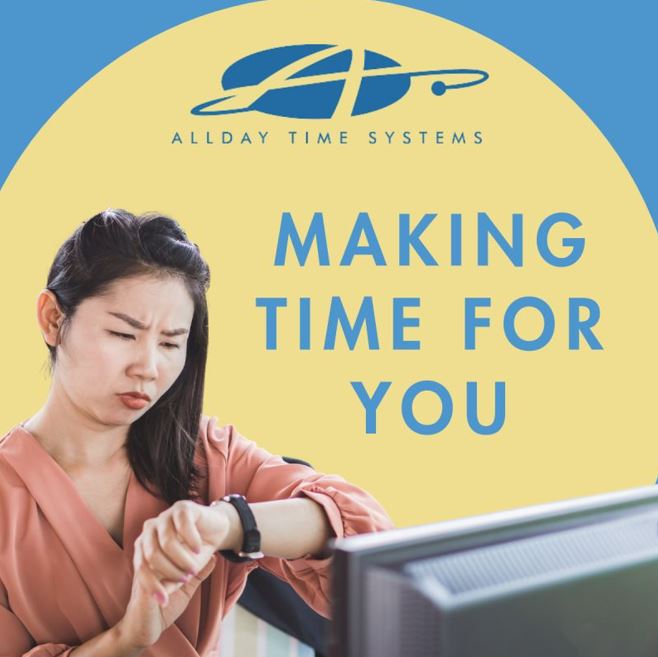
Making Time for HR
HR professionals play a vital role in supporting people, managing workplace challenges, and building positive cultures — but who is making time for HR?
Recent findings from Corndel’s 2025 Workplace Training Report highlight a concerning reality: 49% of HR leaders experience anxiety at least once a week, with 20% experiencing it every day.
Heavy workloads, employee relations, recruitment pressures, and the responsibility of maintaining employee morale can all take a significant toll on HR professionals’ wellbeing.
At the same time, HR leaders are navigating an increasingly complex workplace — from the impact of AI and changing employee expectations to wider economic and global pressures.
The message is clear: HR needs support too.
While many organisations are taking positive steps through leadership training, wellbeing initiatives, work-life balance policies, and resilience programmes, there is still more to be done.
Mental health support shouldn’t be a tick-box exercise. It should be part of an organisation’s everyday culture.
At QuickClocks , we believe that creating a better workplace starts with looking after the people who make it possible.
That means encouraging:
- Open conversations about mental health
- A healthy work-life balance
- Employee engagement and feedback
- Learning, development, and professional growth
- Access to meaningful wellbeing support
- A culture where employees feel heard and valued
Technology also has an important role to play. The right HR and workforce management tools can reduce administrative pressures, provide better visibility, and give HR and managers more time to focus on people rather than paperwork.
Ultimately, making time for HR means making time for people.
By investing in HR wellbeing and creating supportive workplace cultures, organisations can build teams that are more engaged, resilient, productive, and empowered to succeed.
Let’s continue the conversation around workplace wellbeing and remember:
It’s time to make time for HR.